The Return to Downtown: Is City Living Cool Again?
Downtown Toronto once stood empty. Coffee shops shuttered. Office towers darkened. Residents fled to suburbs and cottages.
The pandemic changed everything. Remote work opened doors to rural retreats. Condos sat vacant. The urban heartbeat slowed to a whisper.
But something shifted. The city stirs again.
The Downtown Renaissance: Numbers Don’t Lie
Despite high borrowing costs in 2024, Toronto’s real estate market saw a year-over-year increase of 16.4% in new listings. This surge signals renewed interest in city living.
The average selling price of a home in Toronto decreased by 5.4% year-over-year to $1,009,400 in April 2025. Lower prices create opportunities for buyers who once found downtown unaffordable.
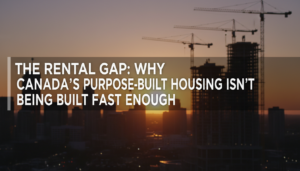
Young professionals return. Developers bet big on urban projects. Construction cranes dot the skyline once more.
Why Move Downtown? The City Advantage
Transit Access Changes Everything
Toronto’s subway system connects you to the entire Greater Toronto Area. No car payments. No insurance premiums. No parking fees.
One TTC pass replaces thousands in vehicle costs. Your commute becomes reading time or podcast hours instead of traffic stress.
Walk to Everything
Groceries at street level. Restaurants around every corner. Entertainment within blocks. Downtown condo living offers prime location benefits that suburban homes cannot match.
Your neighborhood pharmacy sits two minutes away. The gym operates in your building’s basement. Friends visit easily because you live where things happen.
Career Opportunities Concentrate Here
Toronto’s Financial District houses Canada’s major banks. Tech companies cluster in the King Street West corridor. Startups populate converted warehouses.
Networking happens at lunch. Job opportunities emerge from casual conversations. Your career accelerates when you work where decisions get made.
Cultural Scene Returns
Live music venues reopen. Art galleries showcase local talent. Food markets offer fresh produce from Ontario farms.
Theater productions resume. Museums extend evening hours. The city’s creative energy rebuilds stronger than before.
The Economics of City Living
Condos typically cost less than houses, making them ideal for those who want to live in desirable locations without breaking the bank. Downtown condos offer ownership opportunities that detached homes price out.
Bullpen predicts a 7.3 percent decrease in Toronto condo prices to $1,425 per square foot in 2025. This decline creates entry points for first-time buyers.
Maintenance fees replace home repair surprises. Property management handles snow removal and lawn care. Your time becomes your own.
Investment Potential Remains Strong
Toronto’s real estate market stands at a crucial intersection with interest rate cuts, robust immigration, and evolving policies. These factors support long-term value growth.
Immigration drives rental demand. International students need housing. Young professionals seek urban conveniences.
Your condo becomes both home and investment. Rental income offsets carrying costs. Property appreciation builds wealth over time.
Resources for Downtown Living Research
Research Toronto neighborhoods at Toronto Real Estate Board for market statistics and trend analysis.
Explore transit options at TTC.ca to understand commute times and route connections.
Check development projects at City of Toronto Planning to see future neighborhood changes.
Review condo fees and bylaws at CMHC for ownership cost calculations.
Compare mortgage rates at Bank of Canada to understand financing options.
The New Downtown Reality
Today’s downtown differs from pre-pandemic times. Street art replaces corporate polish. Outdoor patios expand into former parking spaces. Dogs outnumber briefcases in many blocks.
This grittier authenticity attracts residents who value character over perfection. You get real community instead of sterile corporate environments.
Immigrants open restaurants serving authentic cuisine. Artists convert industrial spaces into studios. Entrepreneurs launch businesses in former retail spaces.
Making the Downtown Decision
Ask yourself these questions:
Do you spend hours commuting each week?
Does isolation in suburban neighborhoods drain your energy?
Do you miss spontaneous plans and walkable entertainment?
Would you trade yard maintenance for building amenities?
Your answers reveal whether city living aligns with your lifestyle priorities.
Finding Your Downtown Home
The Government of Canada and City of Toronto collaborate to build more affordable and purpose-built rental homes. These initiatives expand housing options for various income levels.
Research begins with understanding your needs. Square footage matters less when your neighborhood provides everything. Balcony space replaces backyard requirements.
Building amenities replace suburban necessities. Fitness centers eliminate gym memberships. Rooftop terraces provide outdoor space without maintenance obligations.
Location determines your experience. Research walkability scores. Check proximity to subway stations. Evaluate neighborhood safety statistics.
Ready to explore downtown living options? Visit lifestylevideos.com to connect with specialists who understand Toronto’s urban market. Our team provides personalized guidance for finding your ideal downtown home.
The Future of Urban Living
Toronto’s downtown transformation continues. Total sales in 2025 will approach long-term averages as rate cuts drive market activity. This stability creates confidence for both buyers and developers.
New projects emphasize livability over density. Green spaces integrate into development plans. Community centers anchor residential complexes.
The question isn’t whether downtown comeback continues. The question is whether you want to be part of it.
City living offers experiences that suburban homes cannot replicate. The energy of urban life feeds creativity and ambition. Community happens naturally when neighbors share elevators and lobby spaces.
Downtown Toronto isn’t the same city that emptied during lockdowns. It’s evolved into something more authentic. More diverse. More interesting.
The soul of downtown didn’t disappear. It got rewired for a new generation of urban dwellers who value access over space and community over isolation.
Your next home might be vertical instead of horizontal. Your commute might involve elevators instead of driveways. Your neighbors might become friends instead of distant waves across property lines.
The return to downtown represents more than real estate trends. It signals a shift toward connected living in an increasingly isolated world.
Is city living cool again? The answer depends on what you value most in life.
For expert insights on home value, market trends, selling strategies, staging advice, negotiating tips and real estate videos, visit LifestyleVideos.com to browse properties, real estate videos, neighbourhoods insights, real estate market trends, and connect with local agents.
Curious how a Trade War could impact housing and interest rates? Watch our feature, Housing Prices & the Impact of a Trade War, streaming now!