How To Make Eyeliner At Home: Your DIY At Home Beauty Solution
Creating your own eyeliner at home saves money and gives you complete control over ingredients. You eliminate harsh chemicals while making a product that works better than store-bought alternatives.
Why Choose DIY At Home Beauty Products
Commercial eyeliners contain questionable ingredients. Parabens, sulfates, and synthetic dyes irritate sensitive eye areas. Natural homemade eyeliner uses only 3 non-toxic ingredients: coconut oil, aloe vera, and activated charcoal.
Your homemade version costs pennies per application. A single batch lasts months with proper storage. You control every ingredient that touches your skin.
Essential Ingredients for Homemade Eyeliner
Base Oils That Work
Coconut oil, almond oil, avocado oil, and grapeseed oil serve as primary ingredients in homemade eyeliner. These oils help your liner glide smoothly while keeping delicate eye skin hydrated.
Coconut oil provides the best consistency for beginners. It solidifies at room temperature but melts with body heat for easy application.
Natural Coloring Options
Activated charcoal creates black eyeliner while cocoa powder makes brown eyeliner. Both ingredients are safe, natural, and provide rich color payoff.
Activated charcoal gives the deepest black finish. Purchase food-grade capsules for the purest product. Cocoa powder works for softer brown looks and smells amazing.
Binding Agents
Beeswax creates pencil-style eyeliner. Melt oil and wax together, then add charcoal and blend well. This combination stays put all day without smudging.
Aloe vera gel creates liquid eyeliner consistency. Mix one teaspoon vitamin E oil with half teaspoon aloe vera gel until opaque.
Simple DIY At Home Eyeliner Recipes
Basic Charcoal Eyeliner
Mix these ingredients:
- 1 teaspoon coconut oil
- 1/2 teaspoon aloe vera gel
- Contents of 2 activated charcoal capsules
Thoroughly mix all ingredients and store in an airtight container. This recipe creates smooth, buildable coverage.
Waterproof Formula
For long-lasting wear, add beeswax to your base recipe. Blend charcoal, beeswax, and coconut oil, then add water for desired consistency.
Start with equal parts oil and wax. Adjust water content until you achieve your preferred thickness.
Application Tips for Homemade Eyeliner
Tools You Need
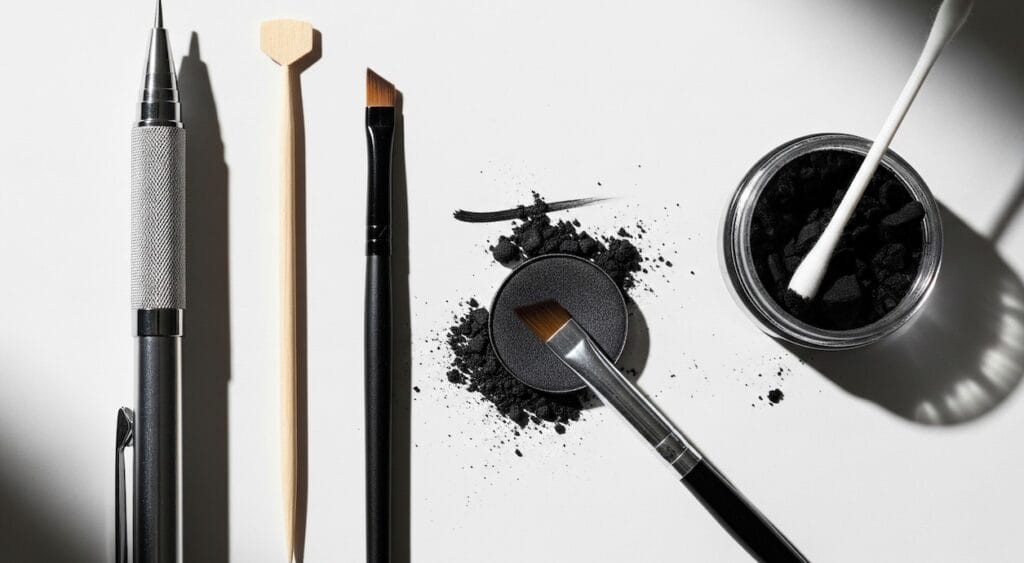
Use a small, flat brush for precise application. You need activated charcoal, distilled water, and a small makeup brush. Clean brushes between uses to prevent contamination.
Angled brushes create sharp wings. Flat brushes work best for tight-lining upper lashes.
Storage and Safety
Store your DIY at home eyeliner in the refrigerator. Homemade eyeliner keeps for about a month in the refrigerator. Always use clean tools to prevent bacterial growth.
Never share homemade eyeliner with others. Replace your batch if you notice any changes in smell, texture, or color.
Why Your DIY At Home Project Connects to Real Estate
Creating beauty products at home reflects a growing trend toward self-sufficiency and conscious living. This mindset often extends to housing choices too.
The GTA Advantage for DIY Enthusiasts
The Greater Toronto Area offers unique benefits for people embracing DIY at home lifestyles. Homeownership in the GTA became more affordable in March 2025 compared to the previous year, with both borrowing costs and home prices declining.
You find more space for your DIY at home projects in GTA homes. Larger kitchens accommodate beauty product creation. Dedicated craft rooms let you organize supplies properly.
Market Conditions Favor Buyers
GTA home sales increased 44% year-over-year in October, followed by a 40% increase in November. Active markets mean more choices for buyers seeking homes perfect for their DIY at home lifestyle.
Lower borrowing costs moving toward the 2025 spring market will result in increased transactions and moderate price increases. Smart buyers act now before prices rise further.
Home Features That Support DIY At Home Activities
Kitchen Considerations
Large countertops accommodate multiple beauty projects simultaneously. Good ventilation removes odors from melting waxes and oils. Adequate storage keeps ingredients organized and accessible.
Double sinks separate beauty preparation from food prep. This separation maintains hygiene while maximizing workspace efficiency.
Dedicated Craft Spaces
Spare bedrooms convert into perfect DIY at home studios. Natural light helps you assess color accuracy in your homemade products. Built-in storage solutions keep supplies neat and accessible.
Basement workshops provide ventilation for projects requiring heating or mixing. Concrete floors handle spills better than hardwood or carpet.
Investment Potential of DIY-Friendly Homes
Properties with craft-friendly features appreciate faster than standard homes. If prices stabilize and mortgage rates decline, 2025 offers a good window to buy. Your investment grows while you enjoy perfect spaces for DIY at home projects.
Homes with workshop potential attract multiple buyer types. Crafters, hobbyists, and small business owners all value these flexible spaces. This demand supports property values long-term.
Making Your Move to the GTA
Your DIY at home lifestyle deserves the perfect setting. The GTA provides affordable options with features that support creative pursuits. Why settle for cramped apartments when you can own a home designed for your interests?
Looking for a home where you can grow the garden of your dreams? Visit LifestyleVideos.com and sign up today. Watch real estate video tours, see inside beautiful GTA homes, and find the perfect place to plant your roots.
Explore BBQ types! Watch our video to find the perfect grill for your home and boost its value.