Bedroom Lighting Red Flag: Overhead Only

Bedroom Lighting Overview

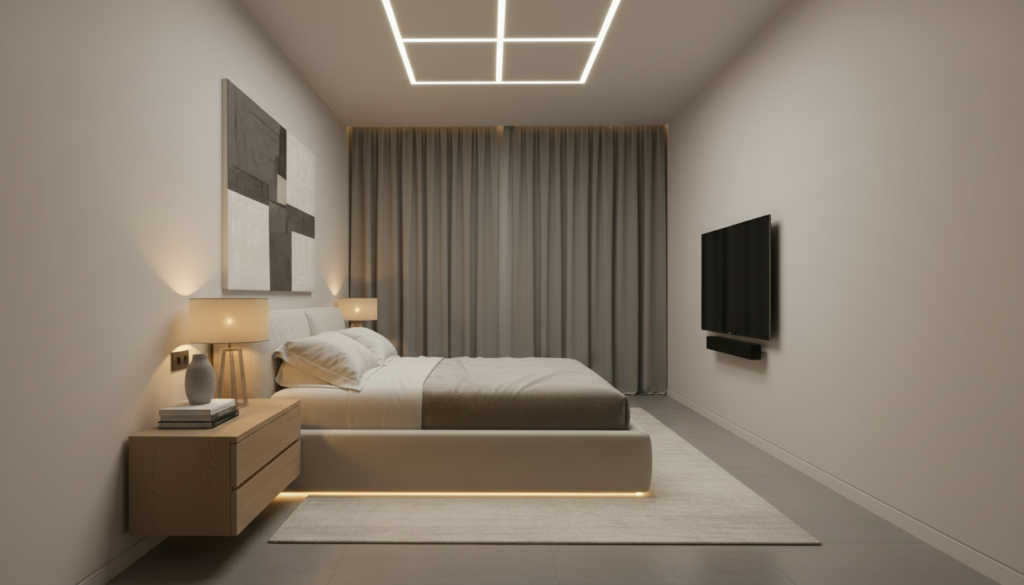
Bedroom Lighting issues appear fast when overhead fixtures handle every task. If the ceiling light flips on for reading, relaxing, or winding down, the room works against rest. One light source sets one mood. Bedrooms need more range.

Across the GTA, this setup appears in condos, townhomes, and older detached homes. Builders favor overhead fixtures for speed and cost. Daily life demands more control. Watch our video above for step-by-step instructions on fixing this issue using layered lighting.

Lighting shapes how a bedroom feels. Overhead-only setups push energy upward instead of settling it down.

Why It Matters

Lighting affects sleep quality, stress levels, and evening routines. Bright overhead light signals alertness. Soft light supports calm.

Research from the Sleep Foundation links exposure to harsh light before bed with delayed sleep onset. Harvard Medical School also outlines how warm, low-level lighting supports melatonin production and evening wind-down habits.

Bedrooms function as recovery spaces. Lighting determines whether the room cues rest or activity. This matters for personal health and resale perception.

Buyers notice bedrooms quickly. Poor lighting reads cold. Layered lighting reads intentional. Small changes influence how a space photographs and shows.

GTA Bedroom Design Patterns

Many GTA bedrooms follow the same pattern.

Condos rely on a single ceiling fixture. Space limits wiring options. Townhomes include overhead lights with no switched outlets for lamps. Older homes feature central fixtures with dated brightness levels.

In all cases, the fix stays simple. Layered lighting works without rewiring. Portable fixtures solve most problems.

Urban bedrooms also serve double duty as work-from-home zones. Lighting must shift across the day. One ceiling light fails this task.

How to Layer Bedroom Lighting

Start with three light types. Each serves a role.

Ambient light provides general glow. This includes ceiling fixtures or floor lamps with shades.

Task light supports reading or dressing. Bedside lamps and adjustable sconces fit this role.

Accent light softens edges. Small table lamps, wall washes, or LED strips behind headboards work well.

Follow these steps.

Turn off the overhead light. Build the room from softer sources first.

Place two bedside lamps at equal height. Symmetry settles the room visually.

Add one low lamp across the room. Corners respond well.

Use warm bulbs rated between 2700K and 3000K. Cooler tones push alertness.

Install dimmers or smart plugs. Control matters more than brightness.

Watch our video above for step-by-step instructions showing this setup in real GTA bedrooms.

This approach suits rentals and owned homes. No permits required.

Tools and Fixtures That Help

Simple tools support better bedroom lighting.

Table lamps with fabric shades diffuse light. Wall sconces free nightstand space. Floor lamps anchor corners. Smart bulbs allow scene control without switches. Plug-in dimmers reduce glare.

Many GTA home retailers stock compact lighting options sized for condos. Focus on footprint and bulb warmth rather than fixture style.

Lighting works best when sources stay below eye level.

Bedroom Lighting and Resale Value

Bedrooms sell emotion. Lighting drives emotion.

Stagers use layered lighting to soften rooms before listing. Agents adjust lamps during showings. Appraisers note bedroom function during walkthroughs.

A bedroom with layered lighting feels finished. Buyers connect faster. Photos read warmer. Showings last longer.

LifestyleVideos.com covers home presentation strategies tied to daily comfort and market appeal. Lighting remains one of the fastest improvements with visible results.

People Also Ask

What type of lighting works best in bedrooms
Layered lighting using ambient, task, and accent sources supports rest and daily routines.

How many lamps should a bedroom have
Most bedrooms benefit from two bedside lamps and one additional soft light source.

Does bedroom lighting affect sleep
Light tone and placement influence sleep signals. Warm, low lighting supports rest.

Thinking About It

Bedrooms set the tone for rest. Overhead-only lighting keeps the room alert when calm matters more. Layered lighting restores balance without renovation.

This reset fits small condos and larger homes across the GTA. Start with lamps. Build control. Let the room settle.

LifestyleVideos.com shares practical fixes for how homes feel and function. Explore more videos and articles to improve daily living and long-term value.

Related Articles

• 5-Minute Curb Appeal Home Hack
Bedroom Lighting Red Flag: Overhead Only
5-Minute Home Hack: Spring Light Boost

5-Minute Home Hack: Spring Light Boost

Home Hack Overview This Home Hack shifts natural light across a room in five minutes. The Home Hack redirects daylight using mirror placement and curtain position. After winter, many homes across the GTA feel darker than expected. Sun angles change during spring, yet furniture placement and window coverings block incoming light. Watch our video above for step-by-step instructions and follow the five-minute Spring Light Boost challenge today. Small lighting adjustments change how a room feels. More daylight increases visual space and improves comfort. Why It Matters Natural light affects mood, focus, and daily energy. Homes with strong daylight exposure often feel larger and cleaner. Research from the Harvard Medical School links daylight exposure with improved sleep cycles and mental clarity. Additional research from the National Institute of Building Sciences notes strong daylight improves perceived indoor comfort. In real estate, natural light influences buyer perception. Bright rooms photograph better. They also feel more open during property tours. Spring marks the most active home buying season across the Greater Toronto Area. Buyers visit more homes during this period. Small presentation changes influence first impressions. LifestyleVideos.com focuses on simple improvements tied to home comfort and resale readiness. The Spring Light Boost Home Hack supports both goals. GTA Homes and Natural Light Homes across the GTA vary in light exposure. Condos in Toronto rely heavily on window orientation. North-facing units receive cooler daylight while south-facing units gain stronger sun exposure. Townhomes often include narrow layouts with windows located only at the front and rear. Light struggles to reach central rooms. Detached houses offer larger windows yet furniture placement still blocks daylight flow. Interior staging professionals across the GTA prioritize light reflection. Mirrors, glass surfaces, and lighter wall tones help daylight travel across rooms. This Home Hack applies the same principle using items already present inside most homes. How to Do the Spring Light Boost Hack This process takes five minutes. Follow these steps. Step 1: Locate the Primary Window Identify the window delivering the most daylight into the room. Midday sunlight works best. Stand across from the window and observe where light stops. Step 2: Reposition a Mirror Move a mirror so it faces the window instead of a wall. The mirror reflects daylight across the room. This simple change increases brightness and spreads light deeper into the space. Large mirrors work well, though smaller mirrors still produce results. Step 3: Adjust Curtains or Blinds Pull curtains slightly wider than the window frame. This exposes more glass and increases daylight entry. Raise blinds fully during daylight hours. Even small adjustments increase the amount of visible window space. Step 4: Clear Window Zones Remove objects blocking the light path. Plants, décor pieces, and shelving near windows reduce daylight flow. Keep window areas open whenever possible. Step 5: Observe the Shift Step back and observe the room. Reflected light spreads across floors, furniture, and walls. Rooms often feel larger within minutes. Watch our video above for step-by-step instructions demonstrating this Home Hack in a real living room environment. LifestyleVideos.com shares similar quick strategies designed for everyday living and home presentation. Additional Light Optimization Tips Clean window glass twice per year. Dust and residue reduce light transmission. Choose lighter curtain fabrics during spring and summer months. Heavy fabrics absorb daylight. Use reflective surfaces such as glass tables or metallic trays near light paths. Place mirrors opposite windows inside narrow rooms or hallways. These simple adjustments improve daylight performance throughout the home. People Also Ask Does mirror placement increase natural light Mirrors reflect incoming daylight and distribute light across darker areas of a room. How do you brighten a dark living room Increase daylight exposure by repositioning mirrors, opening curtains, and clearing objects near windows. Does natural light affect home value Bright rooms create stronger visual impressions during showings and listing photography. Thinking About It Light shapes how every room feels. After winter, homes often carry darker layouts created during colder months. Furniture shifts, closed curtains, and blocked windows reduce daylight flow. The Spring Light Boost Home Hack resets the space quickly. Move one mirror. Adjust curtains. Clear the light path. These small changes improve daily living while strengthening home presentation during the spring real estate season. LifestyleVideos.com shares practical lifestyle strategies tied to home design, maintenance, and property value across the GTA. Watch the video above and try this five-minute Spring Light Boost today. Related Articles • 5-Minute Curb Appeal Home Hack

Watch Now
5-Minute Main Character Home Reset

5-Minute Main Character Home Reset

Home Reset Overview The Home Reset trend gained traction through short-form video. A Home Reset takes a few minutes and shifts how your space feels before the day ends. The concept remains simple. Clear surfaces. Adjust lighting. Restore order. Across the GTA, busy routines push home organization aside. Work, commuting, and family schedules create clutter quickly. A short reset restores control without deep cleaning or long routines. Watch our video above for step-by-step instructions and follow the 60-second version tonight. Small adjustments change how you experience your space. Why It Matters A consistent Home Reset improves mental clarity and daily comfort. Physical surroundings affect mood and focus. When surfaces stay crowded, the brain processes more visual information. Research from the Princeton University Neuroscience Institute shows visual clutter competes for attention and reduces task efficiency. Studies from Harvard Medical School link organized environments with improved emotional regulation. A short reset lowers stress after long days. Lighting changes, cleared surfaces, and open space shift the atmosphere of a room. Homes across the GTA often follow open-concept layouts. Living rooms connect to kitchens and dining spaces. When one surface becomes cluttered, the entire space feels busy. LifestyleVideos.com highlights routines that improve daily living while maintaining property appeal. A Home Reset supports both. GTA Living Patterns and Daily Routines Urban life in the Greater Toronto Area moves quickly. Many residents split time between home offices, commuting routes, and social schedules. Condos in Toronto average smaller square footage than detached homes in surrounding suburbs. Limited storage leads to faster surface buildup. Townhomes across the region blend compact layouts with shared living zones. Small messes spread quickly across open areas. Because of these patterns, short resets work better than large cleaning sessions. Five focused minutes maintain balance throughout the week. Interior designers and staging professionals across the GTA often recommend nightly resets before listing photography or showings. Clean surfaces and calm lighting improve presentation immediately. How to Do a 5-Minute Main Character Home Reset Follow this five-step routine. Step 1: Clear One Surface Choose the most visible surface in the room. Coffee tables, kitchen islands, or entry consoles work well. Remove everything. Return only one structured element such as a tray or small plant. Step 2: Reset Lighting Turn off bright overhead lights. Use two softer sources instead. Table lamps or wall sconces create a calmer atmosphere. Lighting changes shift the entire mood of a room within seconds. Step 3: Fix One Detail Adjust one element out of place. Straighten cushions. align chairs. smooth a throw blanket. Small visual corrections restore structure. Step 4: Open the Air Crack a window or refresh airflow for a minute. Fresh air clears lingering odors and reduces stale indoor feeling. Even brief ventilation changes how a space feels. Step 5: Create a Focal Point Add one simple element. A candle, plant, or book stack works well. The focal point signals intention rather than clutter. Watch our video above for step-by-step instructions demonstrating this Home Reset in a real living space. LifestyleVideos.com shares practical systems designed for daily routines across busy GTA households. Making the Reset a Habit Consistency matters more than duration. Perform the Home Reset each evening or before guests arrive. Five minutes maintains order throughout the week. Use simple triggers to build the habit. Start the reset after dinner. Link it with evening routines such as making tea or turning off work devices. Households with children benefit from shared resets. Assign one small task per person. Surfaces clear faster and the routine becomes easier to maintain. Over time, clutter decreases because items return to storage sooner. People Also Ask What is a home reset routine A home reset refers to a short routine that clears clutter, adjusts lighting, and restores structure within a living space. How long should a home reset take Most effective resets take three to five minutes and focus on one main room. Does a home reset improve home value Regular resets maintain organization and presentation, which supports stronger impressions during showings. Thinking About It Daily life fills homes quickly. Bags drop near doors. dishes collect on counters. papers stack on tables. A short Home Reset prevents buildup before it spreads. Clear one surface. adjust lighting. restore one detail. These small changes create calm environments after busy days. Across the GTA, residents rely on efficient routines that fit demanding schedules. The Home Reset works because it respects time while improving comfort. LifestyleVideos.com shares practical lifestyle systems tied to home presentation and daily living. Watch the video above and try this five-minute reset tonight. Related Articles • 5-Minute Curb Appeal Home Hack

Watch Now
5-Minute Home Hack: Mini Indoor Green Spaces

5-Minute Home Hack: Mini Indoor Green Spaces

Home Hack Overview This Home Hack turns a small corner into a mini indoor green space in minutes. The Home Hack adds plants, natural texture, and structure without changing the room layout. Across the GTA, condos and townhomes limit outdoor access. Winter keeps people indoors for long stretches. A small indoor green space improves how a room feels without renovation or new furniture. Watch our video above for step-by-step instructions and follow the quick setup. Even one small plant zone shifts the mood of an entire room. Why It Matters Indoor plants improve visual balance and daily comfort. Natural elements soften hard surfaces such as glass, metal, and drywall common in modern homes. Research from the NASA Clean Air Study showed certain indoor plants help reduce airborne toxins. Studies from Harvard University also link exposure to natural elements with reduced stress levels and improved focus. Urban homes across the GTA often rely on neutral tones and minimal décor. Without greenery, interiors feel sterile. Adding plant life restores visual warmth and balance. This shift also affects resale perception. Buyers touring homes often respond to staged greenery. Plants signal care and create a lived-in atmosphere without clutter. LifestyleVideos.com highlights practical home adjustments tied to daily comfort and long-term property value. Indoor greenery fits both goals. GTA Living Patterns and Indoor Spaces Space limitations define many GTA homes. Condos dominate housing in central areas of Toronto. Units often measure under 700 square feet. Storage remains tight. Furniture must serve multiple roles. Townhomes in suburbs across Greater Toronto Area offer more square footage, though still rely on compact layouts. Detached homes add space yet maintain modern open-concept interiors dominated by neutral palettes. In each property type, small unused corners appear. Window ledges, entry consoles, side tables, and shelving edges all support plant placement. Local garden centres and home stores across the GTA stock compact plant varieties designed for indoor environments. These plants thrive in indirect light and limited space. The key remains scale. Small green clusters outperform large plant displays in tight rooms. How to Create a Mini Indoor Green Space Start with one corner or surface. Do not scatter plants across multiple areas. Follow this five-minute structure. Step 1: Choose the Location Pick a spot with indirect light. Window edges, side tables, or shelving units work well. Avoid placing plants near heating vents or cold draft areas. Step 2: Add One Medium Plant Select a single anchor plant. Snake plants, pothos, and ZZ plants handle indoor conditions well. Place the plant at the back of the surface to create height. Step 3: Add One Smaller Element Place a smaller plant or natural object beside the anchor plant. A moss bowl, stone dish, or small fern works well. This creates layering. Step 4: Introduce Natural Texture Use wood trays, ceramic pots, or woven baskets. Texture strengthens the visual impact of greenery. Step 5: Leave Open Space Do not fill the entire surface. Empty space keeps the arrangement calm. Watch our video above for step-by-step instructions showing this layout in real GTA homes. LifestyleVideos.com promotes simple resets that improve how rooms function and feel. Choosing the Right Indoor Plants Indoor plants succeed when maintenance remains simple. Snake plants tolerate low light and infrequent watering. Pothos plants trail across shelves and soften hard edges. ZZ plants adapt well to dry indoor air. Choose containers with drainage holes. Overwatering remains the most common mistake. Rotate plants monthly so all sides receive light. Dust leaves periodically to maintain airflow. Small adjustments keep indoor greenery healthy year-round. People Also Ask What plants grow best indoors in the GTA Low-maintenance plants such as snake plants, pothos, and ZZ plants perform well in most indoor environments. How many plants should a small space have One anchor plant and one smaller plant create balance without overcrowding. Do indoor plants increase home value Plants do not increase value directly, though staged greenery improves visual presentation during showings. Thinking About It A small green corner transforms how a room feels. Hard lines soften. Neutral palettes gain depth. The process takes minutes. One plant. One companion element. One textured base. This Home Hack fits condos, townhomes, and detached homes across the GTA. It improves daily living while strengthening visual appeal. LifestyleVideos.com shares practical lifestyle strategies tied to home comfort and property value. Watch the video above and build a mini indoor green space today. Related Articles • 5-Minute Curb Appeal Home Hack

Watch Now
5-Minute Home Hack to Clear a Slow Drain

5-Minute Home Hack to Clear a Slow Drain

Home Hack Overview This Home Hack clears a slow drain in five minutes using baking soda and vinegar. The Home Hack avoids chemical cleaners and skips a plumber call. Across the GTA, kitchen and bathroom drains slow down from soap residue, grease, and hair buildup. Winter adds heavier use. Spring exposes the problem. Watch our video above for step-by-step instructions and follow this five-minute reset today. A slow drain signals early blockage. Act fast and you prevent a full clog. Why It Matters Slow drains restrict water flow. Standing water strains pipes. Pressure builds inside older plumbing systems found in many GTA homes and condos. Chemical drain cleaners contain corrosive ingredients. Health Canada outlines safety precautions tied to household chemical products, including drain openers. Frequent use affects pipe integrity and indoor air quality. Baking soda and vinegar create a natural reaction. The mixture breaks down light buildup without harsh residue. Hot water flushes debris through the line. This approach protects plumbing fixtures and reduces repair costs. For resale, visible standing water in sinks raises concerns during showings. Buyers test taps. A slow drain suggests deferred maintenance. LifestyleVideos.com focuses on small resets tied to home care and property value. This Home Hack fits both goals. GTA Plumbing Patterns and Home Types Detached homes in the GTA often include older copper or cast-iron drain lines. Condos rely on shared vertical stacks. Townhomes vary by build year and renovation history. Hair and soap buildup rank as common causes in bathrooms. Grease and food particles drive kitchen clogs. Winter cooking increases grease discharge. Cold pipes cause fats to solidify faster. By early spring, slow drainage surfaces across many properties. Routine maintenance reduces service calls. A basic flush supports long-term plumbing health. How to Clear a Slow Drain in 5 Minutes Follow this sequence. Step 1: Boiling Water Boil a kettle. Pour hot water down the drain. This softens grease and soap residue. Wait one minute. Step 2: Add Baking Soda Pour one-half cup of baking soda directly into the drain opening. Let it settle inside the pipe. Step 3: Add Vinegar Pour one cup of white vinegar into the drain. The mixture will fizz. This reaction loosens debris attached to pipe walls. Place a stopper or cloth over the drain. This keeps the reaction inside the pipe. Wait five minutes. Step 4: Final Flush Pour another round of boiling water down the drain. This clears loosened buildup. Test the sink. Water should drain faster. Repeat once if minor restriction remains. Watch our video above for step-by-step instructions and a live demonstration of this five-minute fix. Extra Drain Maintenance Tips Remove and clean sink stoppers monthly. Hair and soap collect under the cap. Avoid pouring grease down kitchen sinks. Wipe pans with paper towel before washing. Install mesh drain covers in bathroom sinks and tubs. Run hot water for 30 seconds after each dishwashing cycle to clear residue. Schedule professional plumbing service if water backs up or multiple drains slow at once. LifestyleVideos.com promotes seasonal resets across GTA homes. Drain care supports long-term property upkeep. People Also Ask Does baking soda and vinegar clear clogsThis method works for light buildup and early-stage slow drains. How often should you clean a drainPerform a baking soda and vinegar flush once every one to two months. When should you call a plumber for a slow drainCall a plumber if water backs up, odors persist, or multiple fixtures drain slowly. Thinking About It Five minutes prevents larger plumbing issues. This Home Hack reduces chemical exposure and protects pipes. It also improves daily comfort. You avoid standing water and slow sink frustration. Home care influences resale readiness. Buyers inspect kitchens and bathrooms first. Drain speed shapes first impressions. LifestyleVideos.com shares practical home maintenance strategies across the GTA tied to value and daily living. Watch the video above and complete this five-minute drain reset before the next season change. Related Articles • 5-Minute Curb Appeal Home Hack

Watch Now
5-Minute Home Hack: Dust Flush Before Spring

5-Minute Home Hack: Dust Flush Before Spring

Home Hack Overview This Home Hack targets one hidden issue before spring arrives. The Home Hack flushes dust from your air vents in five minutes and improves indoor air flow fast. Across the GTA, winter traps dust inside homes. Furnaces run for months. Windows stay closed. Air circulates through vents layered with buildup. Watch our video above for step-by-step instructions and follow this five-minute reset before seasonal change. Hidden dust affects comfort more than visible clutter. Why It Matters Air vents collect debris during heating season. Dust settles inside grilles and along duct openings. When spring approaches, systems switch cycles. Air pushes accumulated particles back into living spaces. The Government of Canada notes indoor air quality as a key health factor, especially during seasonal transitions. The Environmental Protection Agency also outlines how dust and allergens circulate through HVAC systems when vents lack maintenance. A quick dust flush improves airflow and reduces airborne particles. It also sharpens the feel of a home during spring cleaning season. This matters for resale as well. Buyers touring homes during spring expect freshness. Dust around vents signals neglect. Clean grilles signal care. LifestyleVideos.com focuses on practical systems tied to daily comfort and long-term value. This Home Hack supports both. GTA Seasonal Patterns and Home Conditions GTA winters drive continuous furnace use. Detached homes rely on forced air systems. Condos operate fan coils or centralized ventilation. Townhomes blend systems depending on build year. In all cases, vent covers gather dust. Salt and street debris enter homes through boots and clothing. Dry air increases particle spread. By March, buildup peaks. Spring listings often follow this cycle. A dust flush before photography or showings improves presentation. Local hardware stores across the GTA stock vent brushes, microfiber cloths, and replacement filters year-round. The task requires no contractor. How to Perform a 5-Minute Dust Flush Follow this sequence. Step one. Turn off your HVAC system. Safety comes first. Step two. Remove the vent cover. Most unscrew easily. Use a screwdriver if needed. Step three. Vacuum inside the duct opening. Use a hose attachment. Reach as far as possible without forcing it. Step four. Wash the vent cover. Use warm water and mild soap. Dry fully before reinstalling. Step five. Replace or check your air filter. A clogged filter reduces airflow and spreads dust. That completes the flush. Focus on high-traffic areas first. Living rooms and bedrooms take priority. Rotate through the rest over the next week. Watch our video above for step-by-step instructions and a live demonstration of this process. LifestyleVideos.com promotes five-minute resets tied to seasonal shifts. This one prepares your home for warmer air and open windows. Additional Spring Vent Tips Inspect ceiling vents as well as floor units. Ceiling covers collect surface dust that falls when air activates. Check return vents. These pull air inward and often gather heavier buildup. Wipe surrounding baseboards. Dust accumulates near airflow edges. Schedule professional duct cleaning only if heavy buildup or renovation debris exists. Most homes benefit from routine surface maintenance. Avoid scented sprays inside vents. Fresh air works better than fragrance masking. People Also Ask How often should air vents be cleanedSurface vent cleaning once per season supports airflow and presentation. Does vent dust affect indoor air qualityDust buildup recirculates through heating and cooling systems, affecting comfort. Should vents be cleaned before selling a homeYes. Clean vents signal maintenance and improve buyer perception during showings. Thinking About It Spring resets often focus on closets and windows. Airflow deserves equal attention. Five minutes per vent improves circulation and presentation. You breathe the difference. Guests notice it. Buyers sense it. Seasonal maintenance builds long-term value. Small tasks prevent larger system strain. LifestyleVideos.com shares practical home strategies across the GTA tied to daily function and market awareness. Watch the video above and complete this Home Hack before spring arrives. Related Articles • 5-Minute Curb Appeal Home Hack

Watch Now
5-Minute Home Hack: Reset Your Coffee Table

5-Minute Home Hack: Reset Your Coffee Table

Home Hack Overview This Home Hack resets your coffee table in five minutes using subtraction and structure. The Home Hack removes clutter, restores balance, and improves how your living room feels without buying anything new. Coffee tables sit at the center of GTA living rooms. They collect remotes, mail, candles, cups, and décor. Over time, they lose purpose. Watch our video above for step-by-step instructions and follow the three-move reset in real time. A clear coffee table shifts the tone of the entire room. Why It Matters Flat surfaces attract clutter. When your coffee table fills up, visual noise spreads. The living room feels busy even when clean. Design research from the Interaction Design Foundation explains how visual hierarchy guides the eye. Without hierarchy, the brain works harder to process space. Harvard Health Publishing links cluttered environments with increased stress levels. A structured coffee table restores hierarchy. It creates one focal point instead of ten small distractions. This matters in daily life. It also matters in resale. Buyers focus on living rooms first. Listing photos highlight coffee tables at eye level. A chaotic surface weakens first impressions. LifestyleVideos.com connects small design habits with long-term property value. This Home Hack fits condos, townhomes, and detached homes across the GTA. GTA Living Room Patterns Many GTA living rooms share similar traits. Condos feature compact seating areas with glass or narrow tables. Townhomes lean toward rectangular layouts with central walk paths. Detached homes often include oversized coffee tables layered with décor. In each case, surfaces become storage instead of design anchors. Local retailers across the GTA stock trays, low-profile books, and small plants suited for compact spaces. The goal remains restraint, not addition. When every object stays visible, nothing stands out. How to Reset Your Coffee Table Follow this five-minute structure. Step one. Remove everything. Clear the entire surface. Wipe it down. Start from zero. Step two. Add one stack. Choose two to three books or a single tray. Keep the stack centered or aligned with one edge. This creates foundation and height variation. Step three. Add one organic element. Use a plant, bowl, or candle. Natural shapes soften straight lines. Stop there. Do not add extra décor. Do not return remotes or loose objects. Store them in drawers or baskets nearby. If you need function, place remotes inside the tray. Keep the number limited. This Home Hack works because it limits choice. One stack. One organic piece. Open space around both. Watch our video above for step-by-step instructions and placement examples. LifestyleVideos.com promotes repeatable systems. Reset your table nightly or weekly. Consistency keeps clutter from returning. Proportions and Placement Tips Scale matters. Large tables require slightly larger stacks. Small condo tables benefit from fewer objects. Keep items below eye level when seated. Tall arrangements block sightlines. Leave at least one third of the table empty. Negative space signals calm. Use contrast. If your table is light, add one darker element. If dark, use lighter books or ceramics. Avoid symmetry with multiple matching décor items. Balance beats duplication. People Also Ask How many items belong on a coffee tableLimit styling to one stack and one organic object. Leave open space visible. Should coffee tables stay emptyFully empty works in minimal spaces. Structured styling adds warmth without clutter. Does coffee table styling affect resaleYes. Living room photos highlight the table. Clean structure improves listing appeal. Thinking About It The coffee table anchors your living room. When it fills up, the room loses clarity. Resetting it takes five minutes and shifts the entire space. Remove everything. Add one stack. Add one organic element. Leave breathing room. Small surface changes ripple outward. Guests notice. Buyers respond. You feel it first. LifestyleVideos.com shares practical home resets tied to daily living and market awareness across the GTA. Watch the video above and apply this Home Hack tonight. Related Articles • 5-Minute Curb Appeal Home Hack

Watch Now