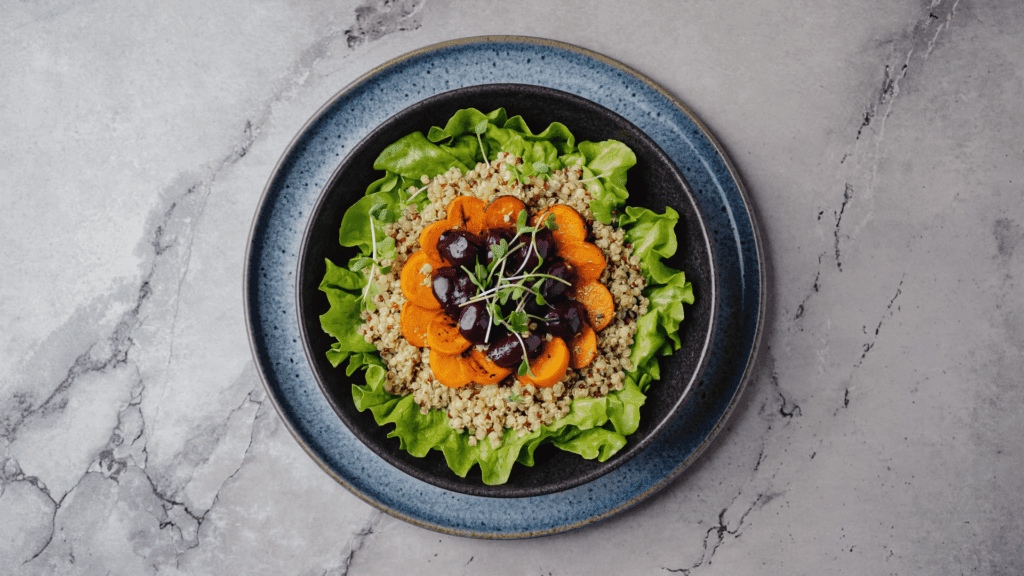
Healthy Salad Overview
A Healthy Salad for dinner using leftovers keeps your weeknight routine efficient and your food waste low. You build meals with ingredients already in your fridge, turning yesterday’s items into a fresh dish. Watch our video above for step-by-step instructions.
This approach supports fast meals, balanced nutrition, and clean eating. You control the portions, the flavours, and the ingredients without extra spending. For busy households, it supports a steady system for weeknight food decisions and steady habits.
A leftover-based salad also gives you freedom. You rotate proteins, vegetables, grains, and dressings based on what you have. LifestyleVideos.com shows this method in multiple food features, linking home cooking to everyday living.
Why It Matters
A leftover-driven Healthy Salad dinner supports health goals and reduces food waste. Health Canada outlines the value of vegetables, whole grains, and lean proteins within balanced meals. Their guideline stresses the value of simple home-prepared meals and nutrient-dense foods rather than packaged options. This aligns with the dinner strategy in this guide.
A salad dinner supports energy, digestion, and portion control. It updates your shopping habits because you build meals around what you already purchased. It also cuts grocery spending because you extend each ingredient across multiple meals.
You also avoid the late-night pressure of planning or cooking a full dinner. A simple assembly-style meal supports consistency, which improves long-term habits. LifestyleVideos.com provides weekly food videos to help you build systems that hold up on busy days.
Top 5 Tools and Add-Ons for Better Salad Prep
Below are five tools and prep items that support a leftover-based Healthy Salad dinner. These are not restaurants or local locations, since this topic focuses on home systems. Each supports efficient prep, storage, and fast assembly.
1. Airtight Glass Storage Containers
You keep chopped vegetables, cooked proteins, and grains fresh. They prevent moisture loss and extend fridge life.
2. Salad Spinner
It keeps greens dry, which improves texture and extends shelf life.
3. Mason Jars
Perfect for storing pre-made dressings or for packing layered salads for lunch the next day.
4. Ceramic Mixing Bowl
Wide bowls make tossing easier and prevent overdressing.
5. Digital Kitchen Scale
Helps standardize your portions so you avoid overly large or small meals.
These basics form the backbone of efficient salad-based dinners. A consistent prep system reduces daily work and supports healthier food choices.
How to Get Started
Building a Healthy Salad dinner from leftovers works best with a simple framework. Follow the steps below and adjust based on what you have at home.
1. Start With a Base
Use greens such as spinach, romaine, kale, arugula, or mixed greens. If greens are low, combine with shredded cabbage or raw vegetables sliced thin.
2. Add Last Night’s Protein
Leftover chicken, salmon, tofu, lentils, steak, chickpeas, or turkey work well. Slice or flake the protein cold. Reheating is optional.
3. Add a Grain or Carb Source
Use leftover quinoa, rice, roasted potatoes, barley, farro, or pasta. A small portion supports fullness and balances the macros.
4. Add Crunch and Freshness
Use whatever remains in your fridge: cucumbers, peppers, celery, nuts, seeds, apples, radishes, or toasted bread cut into cubes.
5. Add a Simple Dressing
Use olive oil plus an acid such as lemon juice or vinegar. Add salt and pepper. If you want more flavour, whisk in mustard, garlic, or honey.
6. Assemble in Layers
Start with the grain, then the protein, then the vegetables, then greens on top. Dress before serving. This keeps textures sharp.
7. Build a Weekly Prep Habit
Choose one prep window per week. Chop vegetables, cook two proteins, and prepare one grain. Store items in labeled containers. This gives you 10–14 salad combinations with minimal work.
If you want more weekly food ideas, visit LifestyleVideos.com for additional recipes, dinner strategies, and video guides.
People Also Ask
How do I keep leftover salads fresh for the next day?
Store the dressing separately and keep greens dry until serving.
What leftover proteins work best in a dinner salad?
Chicken, salmon, tofu, steak, and chickpeas support texture, flavour, and balanced nutrition.
How often should I prep ingredients for salad dinners?
Most households follow a once-per-week prep schedule with minor mid-week refills.
Thinking About It?
A leftover-driven Healthy Salad dinner works well for busy households. It removes decision stress, cuts grocery spending, and builds a predictable eating structure. Watch your fridge inventory, rotate what you have, and use the system above to keep meals steady. For more ideas, recipes, and weekly food videos, visit LifestyleVideos.com.
Related Articles
Read more on LifestyleVideos.com:
• Black Bean Brownies Recipe