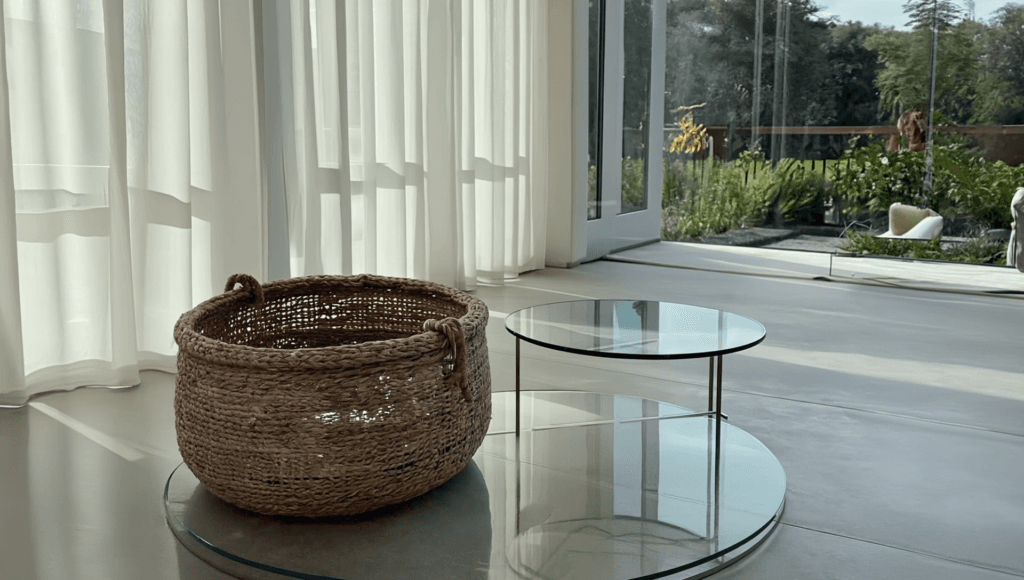
5-Minute Reset Basket Home Hack

Home Hack Overview

A hack for your home solves the problem of rooms looking messy between cleanings. This 5-minute reset basket uses one container per room to restore visual order fast and effective.

Homes across the GTA collect daily clutter. Remote work tools, mail, toys, and bags spread across surfaces. This hack for your home creates a fast reset system without storage builds or purchases.

Watch our video above for step-by-step instructions on how the reset basket works in real time.

LifestyleVideos.com shares practical lifestyle systems built for real homes, not staged sets.

Why This Reset Basket Hack Matters

Visual clutter affects mood and focus. Rooms feel smaller and harder to manage when items sit exposed.

This hack for your home improves perception first. One basket clears surfaces within minutes. Rooms read clean even when items remain inside the home.

For sellers, this hack for your home improves listing photos and showing flow. Buyers scan rooms quickly. Clear surfaces support stronger first impressions.

Psychology research from Princeton University shows clutter competes for attention and reduces focus. Reducing visible items supports calm and clarity.

This approach fits families, professionals, renters, and sellers. No sorting required during the reset.

GTA Living Insight: Why Rooms Never Stay Clear

Most GTA homes lack flexible overflow space.

Condos offer limited storage even if they do have a locker. Townhomes spread daily items across levels which could make your entire home look messy. Older detached homes rely on open surfaces instead of contained zones which is not ideal when guests are over.

Life moves fast. Packages arrive. Schedules shift. Items land wherever space exists.

This hack for your home targets three common patterns.

Surface reliance. Tables and counters absorb overflow.

No temporary storage. Items wait for later sorting.

Time pressure. Cleaning time stays limited.

These patterns appear across Toronto, North York, Etobicoke, Mississauga, and Vaughan.

How to Set Up the 5-Minute Reset Basket

This Hack follows one rule. One room equals one basket.

Step 1: Choose the basket location

Place the basket where clutter gathers. Living rooms and entry-adjacent spaces work best.

Step 2: Set clear limits

The basket holds loose items only. Large objects stay out. Once full, items return home.

Step 3: Run the reset

Walk the room once. Place loose items inside the basket. Surfaces clear fast.

Step 4: Store or stage

Slide the basket under a console, bench, or shelf. The room reads clean.

Step 5: Empty daily

Spend two minutes returning items to their proper spots.

This system replaces full-room cleaning with quick resets.

Errors That Reduce Reset Basket Results

Using oversized baskets.

Mixing baskets between rooms.

Letting baskets overflow.

Skipping daily emptying.

Each issue weakens the hack for your home and returns clutter to surfaces.

How This Helps Listings and Daily Living

For sellers, this Hack supports fast pre-showing resets.

For owners, it shortens cleanup time and reduces stress.

For renters, it creates order without lease changes.

LifestyleVideos.com builds systems that support both lifestyle and real estate outcomes.

People Also Ask

Does a reset basket hide clutter?

Yes. It controls visibility without long sorting sessions.

Does this work for small condos?

Yes. Small spaces benefit most from surface control.

How many baskets should a home use?

One per high-traffic room, anymore and your room will look cluttered.

Final Tips Before You Start

Use neutral baskets that match the room and do not stick out, they need to blend into a room’s decor.

Keep the basket visible but contained.

Watch the embedded video above to see the reset basket used step by step.

LifestyleVideos.com shares practical systems for calmer homes across the GTA.

Related Articles

5-Minute Curb Appeal Home Hack

5-Minute Reset Basket Home Hack
5-Minute Home Hack: Reset Your Coffee Table

5-Minute Home Hack: Reset Your Coffee Table

Home Hack Overview This Home Hack resets your coffee table in five minutes using subtraction and structure. The Home Hack removes clutter, restores balance, and improves how your living room feels without buying anything new. Coffee tables sit at the center of GTA living rooms. They collect remotes, mail, candles, cups, and décor. Over time, they lose purpose. Watch our video above for step-by-step instructions and follow the three-move reset in real time. A clear coffee table shifts the tone of the entire room. Why It Matters Flat surfaces attract clutter. When your coffee table fills up, visual noise spreads. The living room feels busy even when clean. Design research from the Interaction Design Foundation explains how visual hierarchy guides the eye. Without hierarchy, the brain works harder to process space. Harvard Health Publishing links cluttered environments with increased stress levels. A structured coffee table restores hierarchy. It creates one focal point instead of ten small distractions. This matters in daily life. It also matters in resale. Buyers focus on living rooms first. Listing photos highlight coffee tables at eye level. A chaotic surface weakens first impressions. LifestyleVideos.com connects small design habits with long-term property value. This Home Hack fits condos, townhomes, and detached homes across the GTA. GTA Living Room Patterns Many GTA living rooms share similar traits. Condos feature compact seating areas with glass or narrow tables. Townhomes lean toward rectangular layouts with central walk paths. Detached homes often include oversized coffee tables layered with décor. In each case, surfaces become storage instead of design anchors. Local retailers across the GTA stock trays, low-profile books, and small plants suited for compact spaces. The goal remains restraint, not addition. When every object stays visible, nothing stands out. How to Reset Your Coffee Table Follow this five-minute structure. Step one. Remove everything. Clear the entire surface. Wipe it down. Start from zero. Step two. Add one stack. Choose two to three books or a single tray. Keep the stack centered or aligned with one edge. This creates foundation and height variation. Step three. Add one organic element. Use a plant, bowl, or candle. Natural shapes soften straight lines. Stop there. Do not add extra décor. Do not return remotes or loose objects. Store them in drawers or baskets nearby. If you need function, place remotes inside the tray. Keep the number limited. This Home Hack works because it limits choice. One stack. One organic piece. Open space around both. Watch our video above for step-by-step instructions and placement examples. LifestyleVideos.com promotes repeatable systems. Reset your table nightly or weekly. Consistency keeps clutter from returning. Proportions and Placement Tips Scale matters. Large tables require slightly larger stacks. Small condo tables benefit from fewer objects. Keep items below eye level when seated. Tall arrangements block sightlines. Leave at least one third of the table empty. Negative space signals calm. Use contrast. If your table is light, add one darker element. If dark, use lighter books or ceramics. Avoid symmetry with multiple matching décor items. Balance beats duplication. People Also Ask How many items belong on a coffee tableLimit styling to one stack and one organic object. Leave open space visible. Should coffee tables stay emptyFully empty works in minimal spaces. Structured styling adds warmth without clutter. Does coffee table styling affect resaleYes. Living room photos highlight the table. Clean structure improves listing appeal. Thinking About It The coffee table anchors your living room. When it fills up, the room loses clarity. Resetting it takes five minutes and shifts the entire space. Remove everything. Add one stack. Add one organic element. Leave breathing room. Small surface changes ripple outward. Guests notice. Buyers respond. You feel it first. LifestyleVideos.com shares practical home resets tied to daily living and market awareness across the GTA. Watch the video above and apply this Home Hack tonight. Related Articles • 5-Minute Curb Appeal Home Hack
Watch Now
Red Flag: Your Home Has No Contrast

Red Flag: Your Home Has No Contrast

Red Flag Overview Red Flag signs appear fast when everything in your home sits in the same tone. All white. All grey. All beige. When no contrast exists, rooms fall flat. This Red Flag shows up across GTA condos, townhomes, and detached houses. Builders lean toward safe palettes. Owners hesitate to add depth. The result feels clean yet unfinished. Watch our video above for step-by-step instructions on correcting this imbalance using one focused adjustment. Great design depends on balance. Without contrast, space loses dimension. Why It Matters Contrast creates visual structure. It guides the eye. It defines zones. It builds character without clutter. When walls, floors, furniture, and décor share similar tone, edges disappear. Rooms blend into one another. Even high-end finishes lose impact. Design research from the Interaction Design Foundation outlines contrast as a core visual principle. It improves clarity and perception. The American Society of Interior Designers also highlights balance and contrast as central to spatial comfort and visual interest. Beyond aesthetics, contrast affects resale. Buyers respond to rooms with depth and defined features. Listing photos perform better when focal points stand out. Across the GTA, neutral staging dominates. This trend supports broad appeal. Though without layered contrast, homes risk looking interchangeable. LifestyleVideos.com focuses on small design shifts tied to daily comfort and long-term value. Contrast ranks high on impact with low cost. GTA Design Patterns and Market Trends Recent GTA developments favour light oak floors, white cabinetry, and pale walls. Open-concept layouts amplify uniform tone. Natural light washes surfaces evenly. This approach keeps space bright. It also removes visual anchors. Detached homes built in the early 2000s often lean beige. Newer condos lean grey. Renovations often repaint everything in one shade. Buyers touring multiple properties notice repetition. Homes with even one defined contrast element stand apart. Design retailers across the GTA respond by stocking darker woods, matte black fixtures, textured fabrics, and stone accents. These additions restore depth without full renovation. How to Add Contrast Without Overdesigning Start small. One intentional move shifts the room. Step one. Add one dark element. Choose a coffee table, console, headboard, or accent chair in a deeper tone. Place it where the eye lands first. Step two. Introduce texture. Linen, wool, leather, or wood grain breaks monotony. Texture counts as contrast even within similar color families. Step three. Anchor with black or charcoal accents. Picture frames, hardware, or lighting fixtures define edges. Step four. Layer materials. Mix metal with wood. Pair smooth surfaces with woven textiles. Step five. Define one focal point per room. Art, a bold rug, or a darker feature wall builds structure. Watch our video above for step-by-step instructions showing this method applied in real GTA homes. Avoid adding multiple bold colors at once. Restraint maintains cohesion. One strong move carries more weight than five small ones. Common Mistakes to Avoid Do not paint every wall dark. Contrast requires balance. Light needs shadow. Shadow needs light. Do not rely on décor clutter. Extra objects do not equal depth. They create distraction. Do not mix unrelated color families. Warm wood with cool grey requires a bridge element such as fabric or metal. Contrast succeeds when controlled. People Also Ask What does contrast mean in home designContrast refers to differences in color, tone, texture, or material that create visual depth. Does adding dark elements make a room smallerWhen balanced with light surfaces, dark accents add dimension rather than shrink space. How much contrast should a room haveOne strong anchor piece per room supports clarity without overwhelming the design. Thinking About It A home without contrast feels flat. Character comes from balance, not excess. You do not need new furniture across every room. Add one darker anchor. Add one natural texture. Define edges. Let surfaces stand apart. Across the GTA, homes compete for attention in photos and showings. Intentional contrast signals care and design awareness. LifestyleVideos.com shares practical home insights tied to market appeal and daily function. Watch the video above and apply one contrast shift today. Related Articles • 5-Minute Curb Appeal Home Hack

Watch Now
Bedroom Lighting Red Flag: Overhead Only

Bedroom Lighting Red Flag: Overhead Only

Bedroom Lighting Overview Bedroom Lighting issues appear fast when overhead fixtures handle every task. If the ceiling light flips on for reading, relaxing, or winding down, the room works against rest. One light source sets one mood. Bedrooms need more range. Across the GTA, this setup appears in condos, townhomes, and older detached homes. Builders favor overhead fixtures for speed and cost. Daily life demands more control. Watch our video above for step-by-step instructions on fixing this issue using layered lighting. Lighting shapes how a bedroom feels. Overhead-only setups push energy upward instead of settling it down. Why It Matters Lighting affects sleep quality, stress levels, and evening routines. Bright overhead light signals alertness. Soft light supports calm. Research from the Sleep Foundation links exposure to harsh light before bed with delayed sleep onset. Harvard Medical School also outlines how warm, low-level lighting supports melatonin production and evening wind-down habits. Bedrooms function as recovery spaces. Lighting determines whether the room cues rest or activity. This matters for personal health and resale perception. Buyers notice bedrooms quickly. Poor lighting reads cold. Layered lighting reads intentional. Small changes influence how a space photographs and shows. GTA Bedroom Design Patterns Many GTA bedrooms follow the same pattern. Condos rely on a single ceiling fixture. Space limits wiring options. Townhomes include overhead lights with no switched outlets for lamps. Older homes feature central fixtures with dated brightness levels. In all cases, the fix stays simple. Layered lighting works without rewiring. Portable fixtures solve most problems. Urban bedrooms also serve double duty as work-from-home zones. Lighting must shift across the day. One ceiling light fails this task. How to Layer Bedroom Lighting Start with three light types. Each serves a role. Ambient light provides general glow. This includes ceiling fixtures or floor lamps with shades. Task light supports reading or dressing. Bedside lamps and adjustable sconces fit this role. Accent light softens edges. Small table lamps, wall washes, or LED strips behind headboards work well. Follow these steps. Turn off the overhead light. Build the room from softer sources first. Place two bedside lamps at equal height. Symmetry settles the room visually. Add one low lamp across the room. Corners respond well. Use warm bulbs rated between 2700K and 3000K. Cooler tones push alertness. Install dimmers or smart plugs. Control matters more than brightness. Watch our video above for step-by-step instructions showing this setup in real GTA bedrooms. This approach suits rentals and owned homes. No permits required. Tools and Fixtures That Help Simple tools support better bedroom lighting. Table lamps with fabric shades diffuse light. Wall sconces free nightstand space. Floor lamps anchor corners. Smart bulbs allow scene control without switches. Plug-in dimmers reduce glare. Many GTA home retailers stock compact lighting options sized for condos. Focus on footprint and bulb warmth rather than fixture style. Lighting works best when sources stay below eye level. Bedroom Lighting and Resale Value Bedrooms sell emotion. Lighting drives emotion. Stagers use layered lighting to soften rooms before listing. Agents adjust lamps during showings. Appraisers note bedroom function during walkthroughs. A bedroom with layered lighting feels finished. Buyers connect faster. Photos read warmer. Showings last longer. LifestyleVideos.com covers home presentation strategies tied to daily comfort and market appeal. Lighting remains one of the fastest improvements with visible results. People Also Ask What type of lighting works best in bedroomsLayered lighting using ambient, task, and accent sources supports rest and daily routines. How many lamps should a bedroom haveMost bedrooms benefit from two bedside lamps and one additional soft light source. Does bedroom lighting affect sleepLight tone and placement influence sleep signals. Warm, low lighting supports rest. Thinking About It Bedrooms set the tone for rest. Overhead-only lighting keeps the room alert when calm matters more. Layered lighting restores balance without renovation. This reset fits small condos and larger homes across the GTA. Start with lamps. Build control. Let the room settle. LifestyleVideos.com shares practical fixes for how homes feel and function. Explore more videos and articles to improve daily living and long-term value. Related Articles • 5-Minute Curb Appeal Home Hack

Watch Now
Red Flag Kitchen Layout: No Clear Prep Zone

Red Flag Kitchen Layout: No Clear Prep Zone

Red Flag Overview Red Flag signs appear fast when your kitchen lacks a clear prep zone. If chopping, mixing, or plating requires moving items each time, workflow breaks down. Cooking turns slow. Stress builds. This issue shows up in condos, townhomes, and detached homes across the GTA. Size plays a role, though layout matters more. Watch our video above for step-by-step instructions on spotting and fixing this setup problem using a simple reset. A prep zone gives purpose to space. Without one, every task competes for room. Why It Matters A defined prep zone supports speed, cleanliness, and focus. It also reduces surface clutter. Fewer objects move during meals. Fewer mistakes follow. Research from the National Kitchen and Bath Association outlines kitchen workflow zones as a core design principle tied to safety and efficiency. Poor zoning increases task overlap and slows prep time. Harvard Health Publishing also links cluttered cooking spaces to higher stress during meal prep. A prep zone improves daily use. It also affects resale perception. Buyers notice flow. Appraisers note layout efficiency. Small fixes often shift how space feels during showings. In GTA homes with open layouts, prep zones prevent kitchen sprawl into dining or living areas. In compact condos, they define purpose without renovation. GTA Kitchen Layout Patterns Many GTA kitchens share similar constraints. Condos often feature single-wall or galley layouts. Prep space competes with appliances. Townhomes lean toward L-shaped kitchens with corner dead zones. Older detached homes include generous counters with poor task separation. Across all property types, the issue repeats. Prep areas lack ownership. Cutting boards sit on stovetops. Plates stack near sinks. Ingredients travel across rooms. Local builders now promote workstation sinks and extended islands to solve this issue. Existing homes require strategy instead. How to Create a Clear Prep Zone Start with one surface. Select the counter closest to the sink and fridge. This triangle reduces steps. Follow these steps. Clear the surface fully. Remove decor, mail, and appliances. Store items used less than weekly. Define boundaries. Add a large cutting board or prep mat. Visual edges signal purpose. Store tools nearby. Keep knives, bowls, and measuring tools within arm reach. Drawer organizers support this step. Relocate appliances. Coffee machines and toasters belong outside prep space. Side counters work better. Reset daily. Return the zone to neutral after meals. This habit protects function. Watch our video above for step-by-step instructions showing this reset in real kitchens. This approach suits rentals and owned homes. No drilling required. No purchases required. Tools That Support Better Prep Flow Simple tools help maintain order. Large cutting boards anchor the zone. Non-slip mats add safety. Drawer dividers keep tools sorted. Magnetic knife strips free counter space. Slim bins hold compost or scraps. Many GTA home stores stock these items year-round. Kitchen supply shops and big-box retailers offer modular options sized for condo kitchens. Choose items based on footprint, not appearance. Space discipline drives results. People Also Ask What defines a kitchen prep zoneA prep zone refers to a clear counter area used only for chopping, mixing, and plating. It sits near the sink and fridge. How much space does a prep zone needTwo feet of uninterrupted counter supports most tasks. Smaller spaces work with vertical storage nearby. Does a prep zone help resale valueBuyers respond to kitchens with clear workflow. Defined zones support stronger first impressions during showings. Thinking About It A kitchen signals how a home functions. When prep space lacks clarity, friction shows, a clear red flag. Meals slow. Mess spreads. Daily routines suffer. Claiming a prep zone restores control, removes a red flag. This fix fits busy households, rental units, and compact condos. No renovation required. LifestyleVideos.com covers practical home flow fixes across the GTA. Each guide supports daily living and long-term value. Explore more videos and articles to improve how your home works for you. Related Articles • 5-Minute Curb Appeal Home Hack

Watch Now
5-Minute Home Hack to Make Your Living Room Look Bigger

5-Minute Home Hack to Make Your Living Room Look Bigger

Home Hack Overview Home Hack strategies help small living rooms feel open without renovation or cost. This Home Hack focuses on fast layout shifts, light control, and visual flow. Living rooms across the GTA face space pressure from open concepts, condos, and narrow floor plans. Watch our video above for step-by-step instructions and follow along in real time. A living room shapes first impressions. Guests gather there. Buyers judge scale there. Daily comfort depends on movement through this space. Small changes affect how wide, tall, and calm a room feels. Why It Matters A tight living room limits use. Furniture blocks paths. Light stops at the window line. Storage piles into corners. Visual noise builds stress. These factors reduce comfort and lower buyer response during showings. Research from the National Association of Realtors shows buyers respond better to rooms with clear walk paths and visible floor space. Studies from the Journal of Environmental Psychology link open sightlines with lower stress levels. These findings support fast resets rather than full redesigns. LifestyleVideos.com covers home systems that support daily use and resale value. This Home Hack fits renters, owners, sellers, and investors across the GTA. Local Insights Across the GTA Living rooms shrink as density rises. Condos in Toronto core average under 600 square feet. Townhomes push living zones into shared spaces. Detached homes add furniture over time without removal. These conditions require repeatable resets. A five-minute process works across property types. Helpful local resources across the GTA include: IKEA North York for slim furniture and wall-mounted storage, there are also various locations across the GTA. Structube for low-profile seating. EQ3 for modular layouts. HomeSense locations across the GTA for mirrors and trays and small items to fill space in your home. Elte Market for lighting placement ideas for your home. These stops support space planning without structural change. How to Get Started Follow this five-minute sequence to make your living room look bigger. Step one. Clear the floor of any clutter. Remove one item from the ground plane. Floor visibility signals space. Step two. Pull furniture off walls by two to four to six inches. This creates shadow lines and depth. Step three. Anchor with one focal piece. Use a single coffee table or ottoman. Remove extras. Step four. Raise light sources. Shift lamps upward or add wall lighting. Vertical light stretches perception. You can also open the curtains fully to allow outside light to come into the space. Step five. Contain clutter. Use one tray or basket. Group items. Flat surfaces stay clear. Keep window coverings open during daytime. Use one rug sized larger than seating area. Small rugs shrink rooms. Watch our video above for step-by-step instructions and visual placement examples. LifestyleVideos.com shares practical systems that fit real GTA homes. These steps reset rooms fast before guests, showings, or daily use. What People Also Ask Does furniture size affect room scale? Yes. Low-back seating and exposed legs increase visible space. Do mirrors help living rooms look bigger? Yes. Place mirrors opposite windows or light sources. Should walls stay light? Yes. Consistent wall color reduces visual breaks. Thinking About It This Home Hack works best through repetition. Reset nightly or weekly. Remove items before adding new ones. Living rooms respond to subtraction, less is more when it comes to your living room. If you plan a move or listing, space perception shapes value. LifestyleVideos.com connects daily living systems with market insight across the GTA. Explore more lifestyle guidance and home strategies directly on the platform. Related Articles • 5-Minute Curb Appeal Home Hack
Watch Now
Home Hack for Homes That Always Feel Messy

Home Hack for Homes That Always Feel Messy

Home Hack Overview A Home Hack explains why a home feels messy even after cleaning. This Home Hack focuses on systems, not effort, to reduce clutter and visual overload. Homes across the GTA face the same issue. Items lack a clear home. Surfaces collect overflow. Cleaning repeats without lasting results. Watch our video above for step-by-step instructions on how this Home Hack resets order fast. LifestyleVideos.com publishes practical lifestyle guidance designed for real homes and real schedules. Why This Home Hack Matters Mess affects mood, focus, and movement. Visual overload increases stress and slows daily routines. This Home Hack improves flow and reduces decision fatigue. Fewer visible items create calmer spaces and faster resets. For sellers, messy homes lose buyer confidence. Buyers associate clutter with poor storage and deferred care. Studies from the American Psychological Association link cluttered environments with higher stress levels and reduced focus. Organized spaces support routine and comfort. Order also affects value perception from both visitors or potential home buyers. Clean lines help rooms read larger and more functional. GTA Living Insight: Why Homes Stay Messy Many GTA homes lack storage balance. Condos compress space. Townhomes stack storage across levels. Older detached homes feature storage built for past lifestyles. Daily habits changed. Packages arrive often. Work-from-home tools spread across rooms. This hack for your home addresses three root causes. No landing zones. Items enter without a place. Overfilled storage. Drawers and closets block quick resets. Surface dependence. Counters and tables become default storage. These patterns appear across Toronto, Mississauga, Brampton, North York, and Vaughan. The Core Home Hack: Contain Before You Organize Cleaning fails when items lack limits. This Home Hack sets boundaries first. Step 1: Identify clutter zones Stand in each room entry. Note surfaces holding repeat items. Step 2: Assign one container per zone Use trays, baskets, or drawers already available. One zone equals one container. Step 3: Set capacity limits Once the container fills, remove excess. Limits prevent overflow. Step 4: Reset daily Spend two minutes returning items to containers. No sorting needed. Step 5: Remove surface extras Clear counters, tables, and desks. Surfaces stay functional. This hack for your home works without purchases or renovations. How This Supports Listings and Daily Life For sellers, this hack for your home improves photo clarity and showing flow. For owners, it shortens cleaning cycles and lowers stress. For renters, it creates order without permanent changes. LifestyleVideos.com supports smarter living through short-form videos and step-based guides. People Also Ask Why does my home look messy after cleaning? Cleaning removes dirt. Systems control clutter and minimizes mess. Does clutter affect home value when you are looking to sell your home? Yes. Buyers link clutter with storage limits and care issues and careless home ownership. How often should clutter resets happen? Daily light resets and weekly container checks are ideal. Final Tips Before You Reset Your Space Start with one room when you begin so you do not over overwhelmed. Build limits before labels, organization is key. Watch the embedded video above to see this Home Hack applied in real time. LifestyleVideos.com shares practical strategies for calmer homes across the GTA. Clutter problems persist when homes lack limits, not effort. This Home Hack gives structure without extra work or cost. Apply it once, then repeat light resets daily. Rooms stay clear. Stress drops. Movement improves. Buyers respond better. Watch the video above, apply the steps, and keep systems simple across every room. This approach fits condos, townhomes, and detached homes across the GTA with consistent results. Related Articles • 5-Minute Curb Appeal Home Hack

Watch Now